How the Prime Minister of India is appointed
प्रकाशित
The Prime Minister of India is appointed by the President. Article 75 says the President shall appoint the Prime Minister, and shall appoint other ministers on the advice of the Prime Minister. In practice the President invites the leader who has a majority in the Lok Sabha, or who can demonstrate one.
The Lok Sabha has 543 elected members. The conventional majority mark is 272. In the 2024 Lok Sabha election the BJP won 240 seats and formed the government with allies. This article explains the constitutional process of appointment. It does not canvass any party claim.
Responsibility to the House after appointment
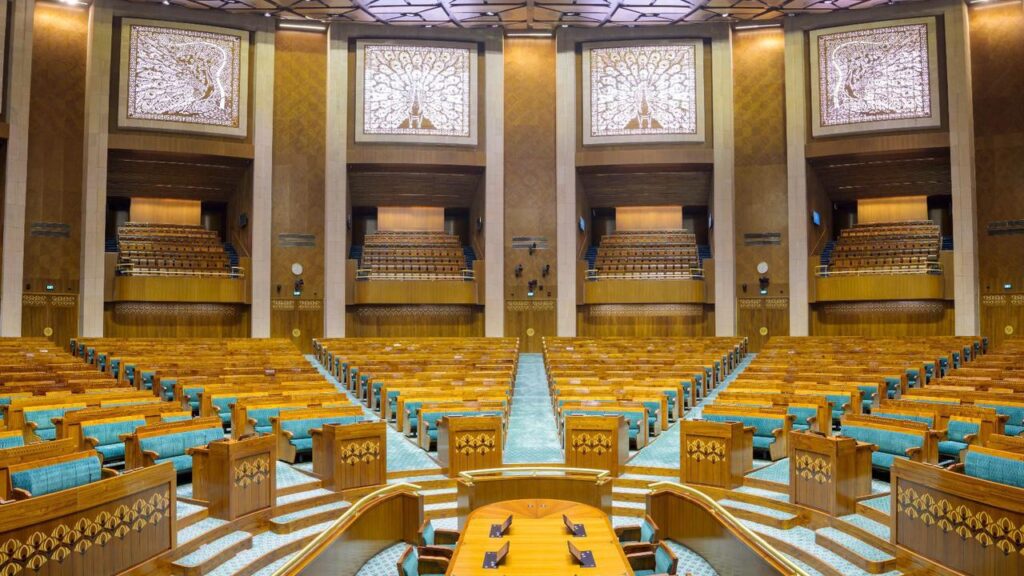
The Prime Minister and the council of ministers are collectively responsible to the Lok Sabha. That is the rule in Article 75(3). The government’s foundation is the confidence of the Lok Sabha, not the Rajya Sabha. A no-confidence motion lies in the Lok Sabha.
If numbers are in doubt after the oath, a floor test can be used to prove a majority in the House. The President may dissolve the Lok Sabha on the advice of the council of ministers, a power that is read with constitutional convention and judicial interpretation.
The Uttar Pradesh context
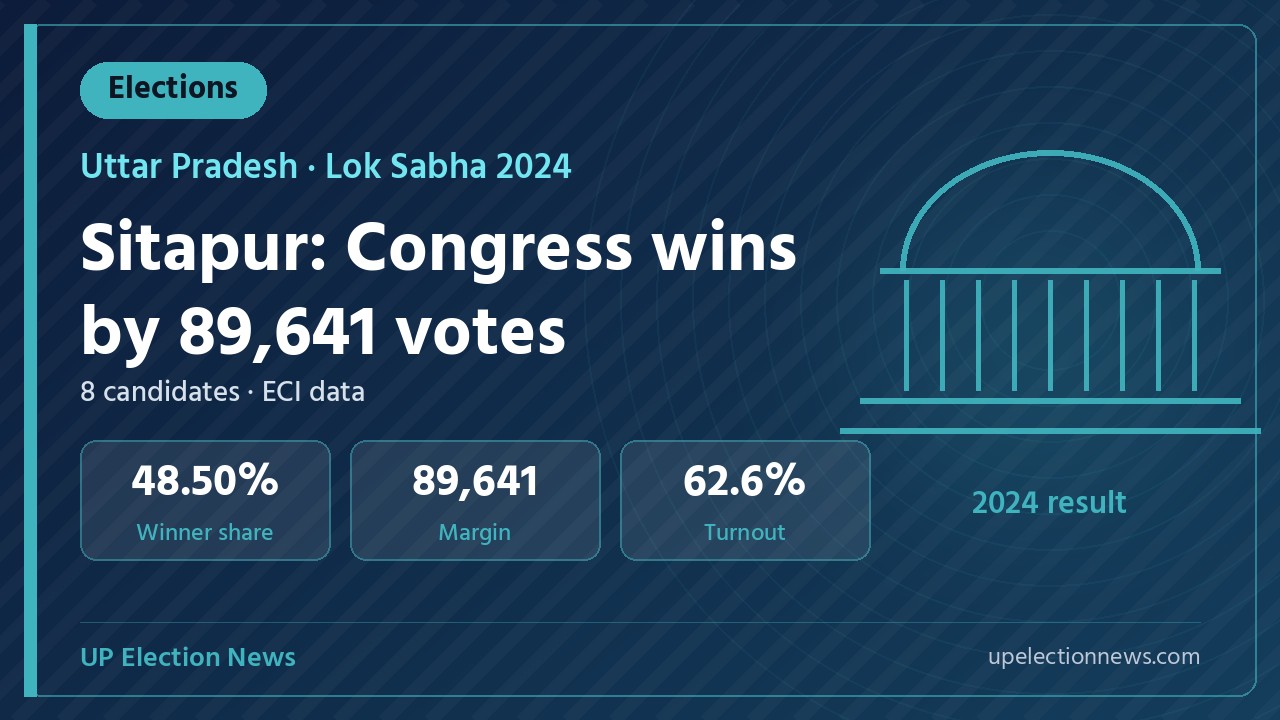
The Prime Minister leads the Lok Sabha of the whole country, not a single state. Uttar Pradesh still matters in the national arithmetic because it has 80 Lok Sabha seats. In 2024 those 80 seats were won as follows: Samajwadi Party 37, BJP 33, Congress 6, RLD 2, Azad Samaj Party 1 and Apna Dal (S) 1.
The point is simple. Appointment does not follow any one state’s tally. Uttar Pradesh’s 80 seats are a part of the national House, not a majority by themselves.
Key points
- The Prime Minister of India is appointed by the President.
- The Prime Minister and the council of ministers are collectively responsible to the Lok Sabha.
- The Prime Minister leads the Lok Sabha of the whole country, not a single state.
The 2017 baseline
The 2017 assembly election had 14,16,63,646 electors and turnout of 61.22 percent. The BJP won 312 seats on 39.67 percent. The Samajwadi Party won 47, the BSP 19, Apna Dal (S) 9, Congress 7 and the SBSP 4. Three independents also won. Between 2017 and 2022, 125 seats changed parties.
The 2024 Lok Sabha context
In the 2024 Lok Sabha election, Uttar Pradesh’s 80 seats were won as follows: Samajwadi Party 37, BJP 33, Congress 6, RLD 2, Azad Samaj Party (Kanshi Ram) 1 and Apna Dal (S) 1. Lok Sabha and assembly elections turn on different issues and alliances, so the two results should not be added together to reach a conclusion.
The structure of the House
The Uttar Pradesh legislative assembly has 403 seats. Of these, 84 are reserved for Scheduled Castes and 2 for Scheduled Tribes. The majority mark is 202. The state sends 80 members to the Lok Sabha and 31 to the Rajya Sabha. The legislative council is a separate House whose members come through different electorates and nomination.
Also read:
- Mathura district assembly results 2022
- Ghazipur district assembly results 2022
- Uttar Pradesh Lok Sabha 2024 result
Source: Election Commission of India. Figures are from official statistical reports.
और पढ़ें: आपके लिए चुनी गई ख़बरें → (प्रायोजित)