The Representation of the People Acts of 1950 and 1951: how they differ
प्रकाशित
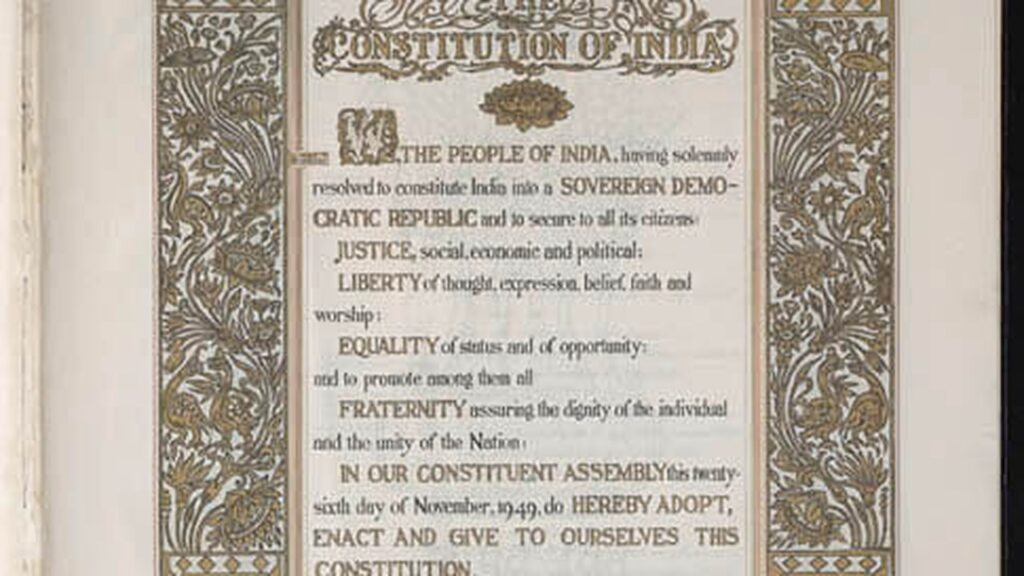
There are two Representation of the People Acts, a year apart, with different jobs. The 1950 Act deals mainly with electoral rolls, the allocation of constituencies and some of the qualifications and disqualifications. The 1951 Act provides for the conduct of elections: nominations, polling, counting, election petitions and several electoral offences.
Together they form the statutory frame for Lok Sabha and assembly elections. The Constitution sets the broad principles. Day-to-day procedure comes from these Acts and the rules made under them. The Election Commission conducts elections inside that legal frame.
What the 1950 Act settles
The 1950 Act is the basis for preparing and revising the electoral roll. Who may be a voter, what ordinary residence means, and the outline of adding or deleting a name all connect to this statute. The notification of constituencies and some eligibility rules are also tied to it.
Uttar Pradesh’s present map of 403 assembly seats and 80 Lok Sabha seats comes from later delimitation, but the legal frame for rolls and constituencies still rests on the 1950 Act. An election cannot be held without an updated roll.
How the 1951 Act runs an election
The 1951 Act covers nomination papers, the security deposit, the use of symbols, some campaign rules, polling and counting, and the election petition after the result. Allegations such as bribery, undue influence or illegal expenditure also sit in this Act.
The model code of conduct is a separate arrangement. It is a code of discipline applied by the Commission to parties and candidates. The 1950 and 1951 Acts are laws passed by Parliament. The two can operate together, but they do not come from the same document. Readers should not treat them as one text.
Key points
- There are two Representation of the People Acts, a year apart, with different jobs.
- The 1950 Act is the basis for preparing and revising the electoral roll.
- The 1951 Act covers nomination papers, the security deposit, the use of symbols, some campaign rules, polling and counting, and the
The structure of the House
The Uttar Pradesh legislative assembly has 403 seats. Of these, 84 are reserved for Scheduled Castes and 2 for Scheduled Tribes. The majority mark is 202. The state sends 80 members to the Lok Sabha and 31 to the Rajya Sabha. The legislative council is a separate House whose members come through different electorates and nomination.
Official 2022 figures for context
For context, the 2022 assembly election had 15,12,46,168 electors and 9,21,62,897 votes polled, with statewide turnout of 60.94 percent. The BJP won 255 seats on 41.29 percent and the Samajwadi Party 111 seats on 32.06 percent. Apna Dal (S) won 12, the RLD 8, the SBSP and NISHAD Party 6 each, Congress and the Jansatta Dal Loktantrik 2 each, and the BSP 1.
The 2017 baseline
The 2017 assembly election had 14,16,63,646 electors and turnout of 61.22 percent. The BJP won 312 seats on 39.67 percent. The Samajwadi Party won 47, the BSP 19, Apna Dal (S) 9, Congress 7 and the SBSP 4. Three independents also won. Between 2017 and 2022, 125 seats changed parties.
Also read:
- Meerut district assembly results 2022
- Saharanpur district assembly results 2022
- Ayodhya district assembly results 2022
Source: Election Commission of India. Figures are from official statistical reports.
और पढ़ें: आपके लिए चुनी गई ख़बरें → (प्रायोजित)