What a booth level officer does on the electoral roll
प्रकाशित
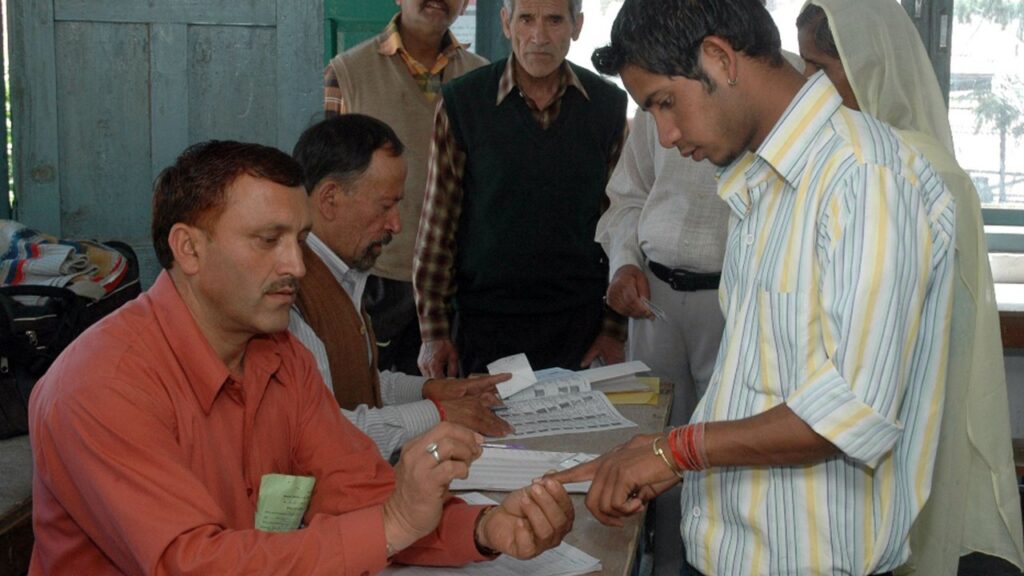
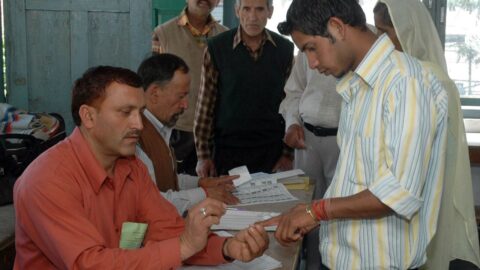
The booth level officer, or BLO, is the Commission’s grassroots representative for electoral roll work. Ordinarily there is one BLO for each part of the roll covering a polling station area. The BLO works under the electoral registration officer (ERO).
BLOs are usually government or semi-government employees such as teachers, anganwadi workers, village level staff or other local employees. They are appointed at the level of the district election officer.
What a BLO does
- Verifies voter details through house-to-house visits
- Makes available and collects Form 6 for new voters, Form 7 for deletion and Form 8 for correction
- Identifies and reports dead, shifted or duplicate entries
- Receives claims and objections when the draft roll is published
- Distributes voter information slips before polling
A BLO does not add or delete a name personally. The final decision rests with the ERO. The BLO verifies and reports.
Booth level agents of parties
Recognised parties may appoint a booth level agent (BLA) for each polling station. These agents help the BLO check the roll and can flag wrong entries. BLAs are party representatives, not government officials.
In drives such as a special intensive revision, the BLO’s role grows, because handing out and collecting enumeration forms house to house falls to them.
How voters can reach their BLO
Voters can find their BLO’s name and contact on the Commission’s voter services portal or the Voter Helpline app. Forms for inclusion, deletion or correction can also be filed online and are then verified by the BLO.
Key points
- The booth level officer, or BLO, is the Commission’s grassroots representative for electoral roll work.
- __UL__ Verifies voter details through house-to-house visits Makes available and collects Form 6 for new voters, Form 7 for deletion and
- Recognised parties may appoint a booth level agent (BLA) for each polling station.
- Voters can find their BLO’s name and contact on the Commission’s voter services portal or the Voter Helpline app.
The 2024 Lok Sabha context
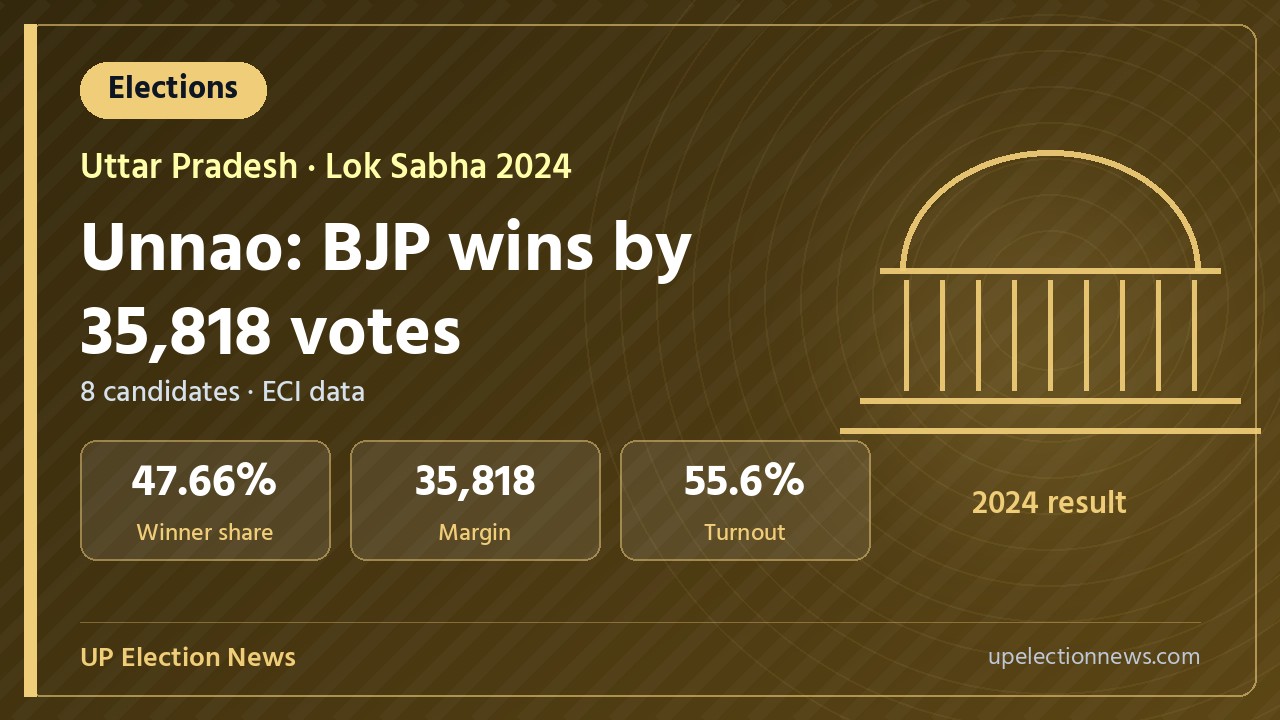
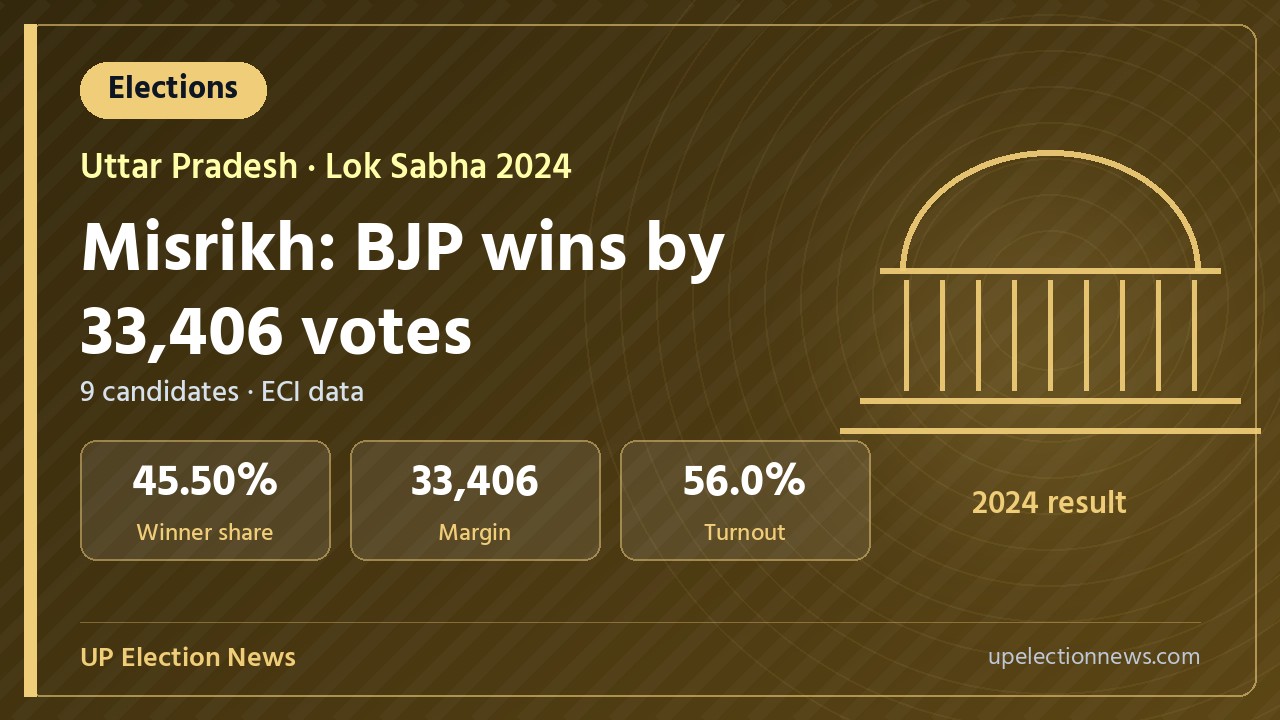
In the 2024 Lok Sabha election, Uttar Pradesh’s 80 seats were won as follows: Samajwadi Party 37, BJP 33, Congress 6, RLD 2, Azad Samaj Party (Kanshi Ram) 1 and Apna Dal (S) 1. Lok Sabha and assembly elections turn on different issues and alliances, so the two results should not be added together to reach a conclusion.
The structure of the House
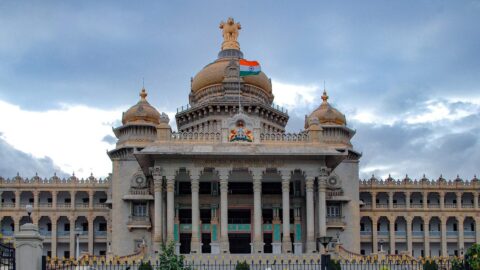
The Uttar Pradesh legislative assembly has 403 seats. Of these, 84 are reserved for Scheduled Castes and 2 for Scheduled Tribes. The majority mark is 202. The state sends 80 members to the Lok Sabha and 31 to the Rajya Sabha. The legislative council is a separate House whose members come through different electorates and nomination.
Official 2022 figures for context
For context, the 2022 assembly election had 15,12,46,168 electors and 9,21,62,897 votes polled, with statewide turnout of 60.94 percent. The BJP won 255 seats on 41.29 percent and the Samajwadi Party 111 seats on 32.06 percent. Apna Dal (S) won 12, the RLD 8, the SBSP and NISHAD Party 6 each, Congress and the Jansatta Dal Loktantrik 2 each, and the BSP 1.
Also read:
- Ghazipur district assembly results 2022
- Uttar Pradesh Lok Sabha 2024 result
- Meerut district assembly results 2022
Source: Election Commission of India. Figures are from official statistical reports.
और पढ़ें: आपके लिए चुनी गई ख़बरें → (प्रायोजित)