Who can be a voter: age, citizenship and ordinary residence
प्रकाशित
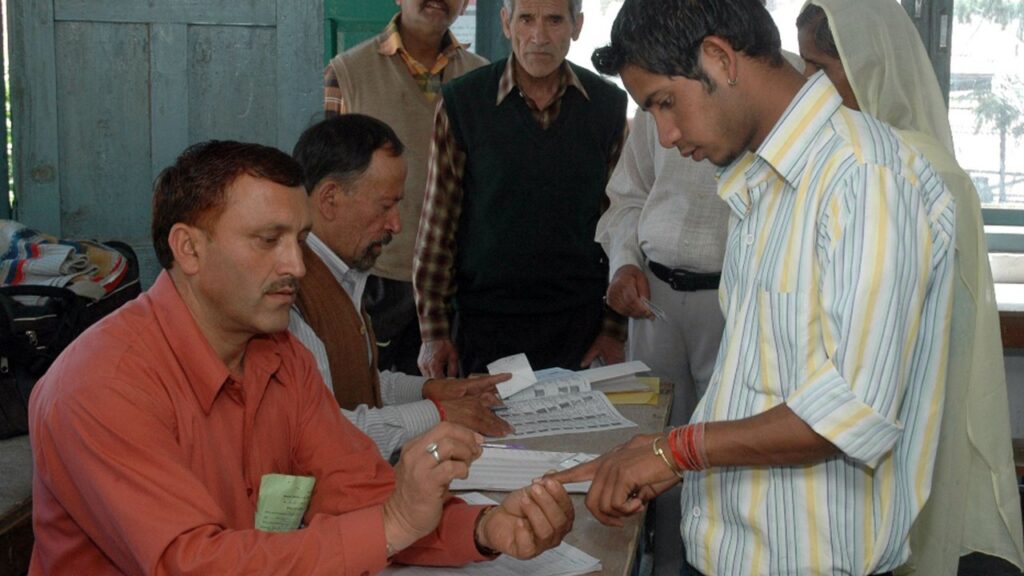
Who can be a voter is settled by the Constitution and the Representation of the People Act, 1950. The basic conditions are Indian citizenship, 18 years of age, and ordinary residence in the relevant area. A person disqualified on the ground of unsoundness of mind, or convicted of certain election offences, cannot remain on the roll.
Age is counted against a qualifying date notified for that revision cycle. Remembering only the year of birth is not enough. A person also has to be on the electoral roll. Holding a voter card is not enough if the name is not on the roll.
What ordinary residence means
Ordinary residence does not require ownership of a house in the area. A tenant, a person living with family, or a student in a hostel can qualify if that is the place of ordinary residence. A person is a voter at only one place at one time.
Service voters and some overseas Indian electors have separate categories. A service voter can remain on the roll of the home constituency and vote by postal ballot or another prescribed method. The present arrangement for an overseas elector is limited: unless a further method is notified in law, the person ordinarily has to vote in person in the constituency.
How a name is added or removed
Form 6 is used to add a name to the roll. Form 8 is used for a correction and Form 7 for a deletion. The booth level officer and the electoral registration officer act on these applications.
In the 2022 assembly election Uttar Pradesh had 15,12,46,168 electors and turnout was 60.94 percent. In 2017 there were 14,16,63,646 electors and turnout was 61.22 percent. These totals are from the official constituency results. As the roll grows, it remains important that a name sits at the correct polling station.
Key points
- Who can be a voter is settled by the Constitution and the Representation of the People Act, 1950.
- Ordinary residence does not require ownership of a house in the area.
- Form 6 is used to add a name to the roll.
The 2024 Lok Sabha context
In the 2024 Lok Sabha election, Uttar Pradesh’s 80 seats were won as follows: Samajwadi Party 37, BJP 33, Congress 6, RLD 2, Azad Samaj Party (Kanshi Ram) 1 and Apna Dal (S) 1. Lok Sabha and assembly elections turn on different issues and alliances, so the two results should not be added together to reach a conclusion.
The structure of the House
The Uttar Pradesh legislative assembly has 403 seats. Of these, 84 are reserved for Scheduled Castes and 2 for Scheduled Tribes. The majority mark is 202. The state sends 80 members to the Lok Sabha and 31 to the Rajya Sabha. The legislative council is a separate House whose members come through different electorates and nomination.
Official 2022 figures for context
For context, the 2022 assembly election had 15,12,46,168 electors and 9,21,62,897 votes polled, with statewide turnout of 60.94 percent. The BJP won 255 seats on 41.29 percent and the Samajwadi Party 111 seats on 32.06 percent. Apna Dal (S) won 12, the RLD 8, the SBSP and NISHAD Party 6 each, Congress and the Jansatta Dal Loktantrik 2 each, and the BSP 1.
Also read:
- Meerut district assembly results 2022
- Saharanpur district assembly results 2022
- Ayodhya district assembly results 2022
Source: Election Commission of India. Figures are from official statistical reports.
और पढ़ें: आपके लिए चुनी गई ख़बरें → (प्रायोजित)