Section 126: what the 48-hour silence period before polling means
प्रकाशित
Section 126 of the Representation of the People Act, 1951, bars certain activities in the 48 hours ending with the hour fixed for the close of poll. This is commonly called the silence period. The idea is to let voters decide away from the noise of the campaign.
What is barred
- Convening, holding or attending a public meeting or procession connected with the election
- Displaying election matter through cinema, television or similar apparatus
- Propagating election matter through musical, theatrical or other entertainment
A breach of Section 126 is punishable with up to two years in prison, a fine, or both. The bar applies in the constituency going to the polls.
Exit polls and liquor
Section 126A bars conducting exit polls and publishing their results from the hour fixed for the start of the first phase until half an hour after the close of the last phase. Section 135C bars the sale and supply of liquor in the polling area during the 48 hours before the poll.
Commission’s further instructions
When the silence period starts, the Commission’s instructions require political functionaries from outside to leave the constituency. Newspapers are not covered by Section 126, but political advertisements in print on polling day and the day before need pre-certification by the media certification committee.
Key points
- Section 126 of the Representation of the People Act, 1951, bars certain activities in the 48 hours ending with the hour fixed for the close
- __UL__ Convening, holding or attending a public meeting or procession connected with the election Displaying election matter through
- Section 126A bars conducting exit polls and publishing their results from the hour fixed for the start of the first phase until half an
- When the silence period starts, the Commission’s instructions require political functionaries from outside to leave the constituency.
The structure of the House
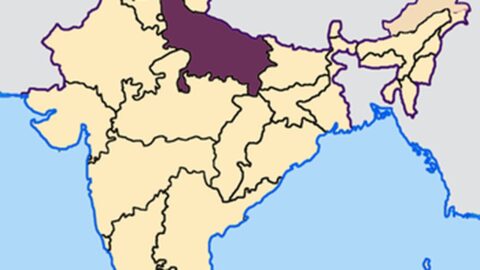
The Uttar Pradesh legislative assembly has 403 seats. Of these, 84 are reserved for Scheduled Castes and 2 for Scheduled Tribes. The majority mark is 202. The state sends 80 members to the Lok Sabha and 31 to the Rajya Sabha. The legislative council is a separate House whose members come through different electorates and nomination.
Official 2022 figures for context
For context, the 2022 assembly election had 15,12,46,168 electors and 9,21,62,897 votes polled, with statewide turnout of 60.94 percent. The BJP won 255 seats on 41.29 percent and the Samajwadi Party 111 seats on 32.06 percent. Apna Dal (S) won 12, the RLD 8, the SBSP and NISHAD Party 6 each, Congress and the Jansatta Dal Loktantrik 2 each, and the BSP 1.
The 2017 baseline
The 2017 assembly election had 14,16,63,646 electors and turnout of 61.22 percent. The BJP won 312 seats on 39.67 percent. The Samajwadi Party won 47, the BSP 19, Apna Dal (S) 9, Congress 7 and the SBSP 4. Three independents also won. Between 2017 and 2022, 125 seats changed parties.
The 2024 Lok Sabha context
In the 2024 Lok Sabha election, Uttar Pradesh’s 80 seats were won as follows: Samajwadi Party 37, BJP 33, Congress 6, RLD 2, Azad Samaj Party (Kanshi Ram) 1 and Apna Dal (S) 1. Lok Sabha and assembly elections turn on different issues and alliances, so the two results should not be added together to reach a conclusion.
Also read:
- Ghazipur district assembly results 2022
- Uttar Pradesh Lok Sabha 2024 result
- Meerut district assembly results 2022
Source: Election Commission of India. Figures are from official statistical reports.
और पढ़ें: आपके लिए चुनी गई ख़बरें → (प्रायोजित)